
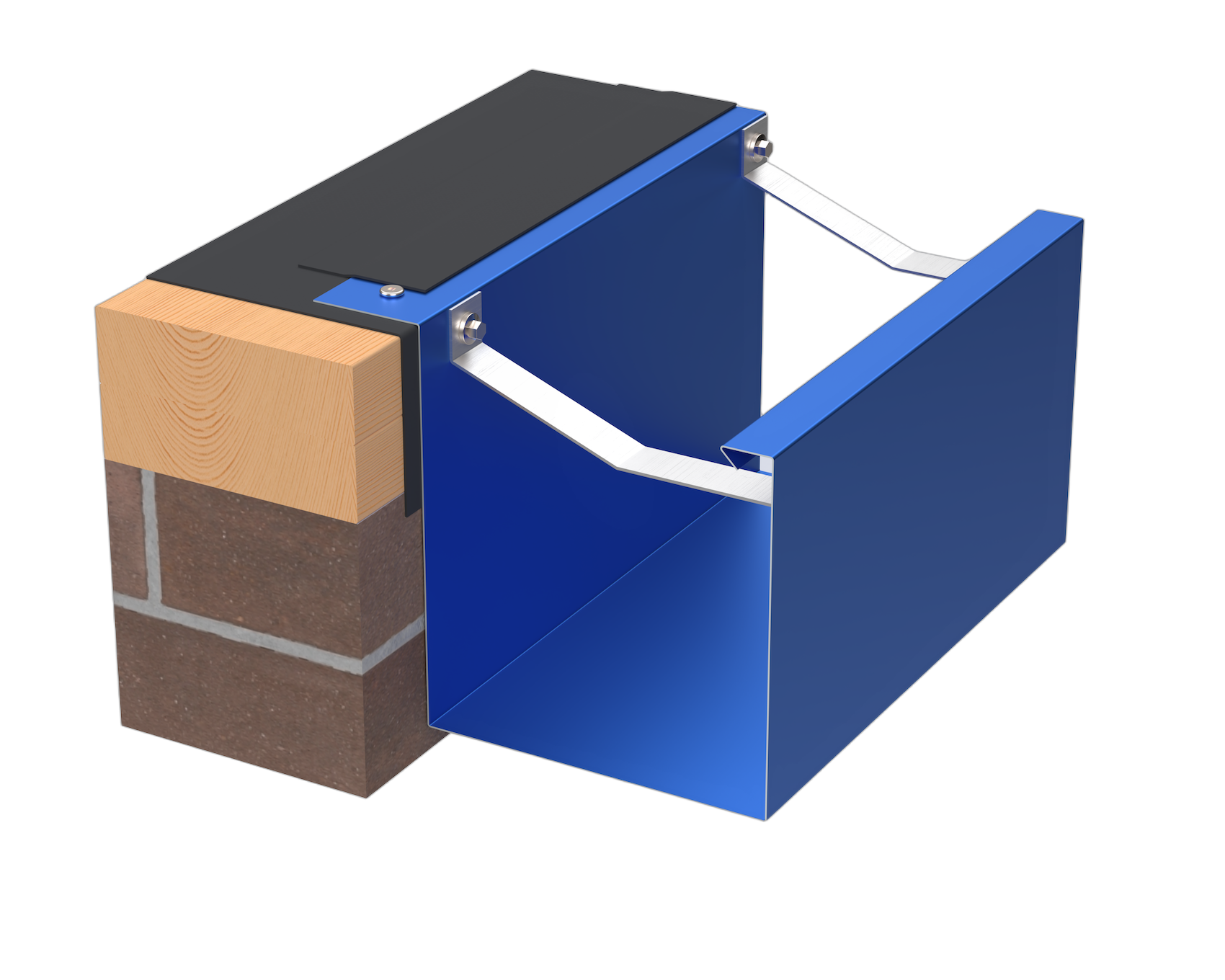
Edges And Access
Roof edges, parapets, hatch points, ladder routes, and fall-protection needs are checked before crew movement is assumed.
Safe commercial roof work starts before materials arrive: access, tie-off paths, staging, tenant protection, and daily dry-in are planned in the scope.
Anaheim commercial roofs often sit above active guests, tenants, students, patients, inventory, or production. The safety plan needs to account for how crews reach the roof, how materials move, where debris lands, what areas stay open, and how the roof is left watertight at the end of each shift.
We document ladders, hatches, crane or lift needs, staging zones, pedestrian paths, rooftop equipment, and interior protection so ownership can see how the work will happen before the schedule is approved.
Roof edges, parapets, hatch points, ladder routes, and fall-protection needs are checked before crew movement is assumed.
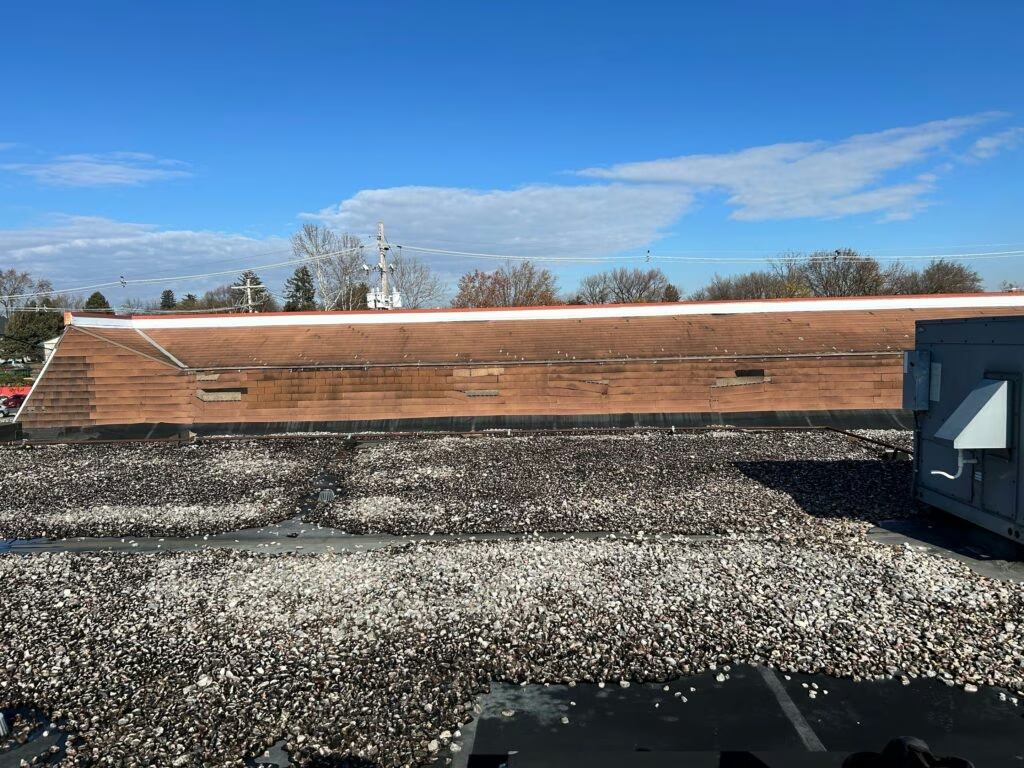
Open roof areas, temporary protection, weather windows, and end-of-day watertightness are separated from permanent repair decisions.
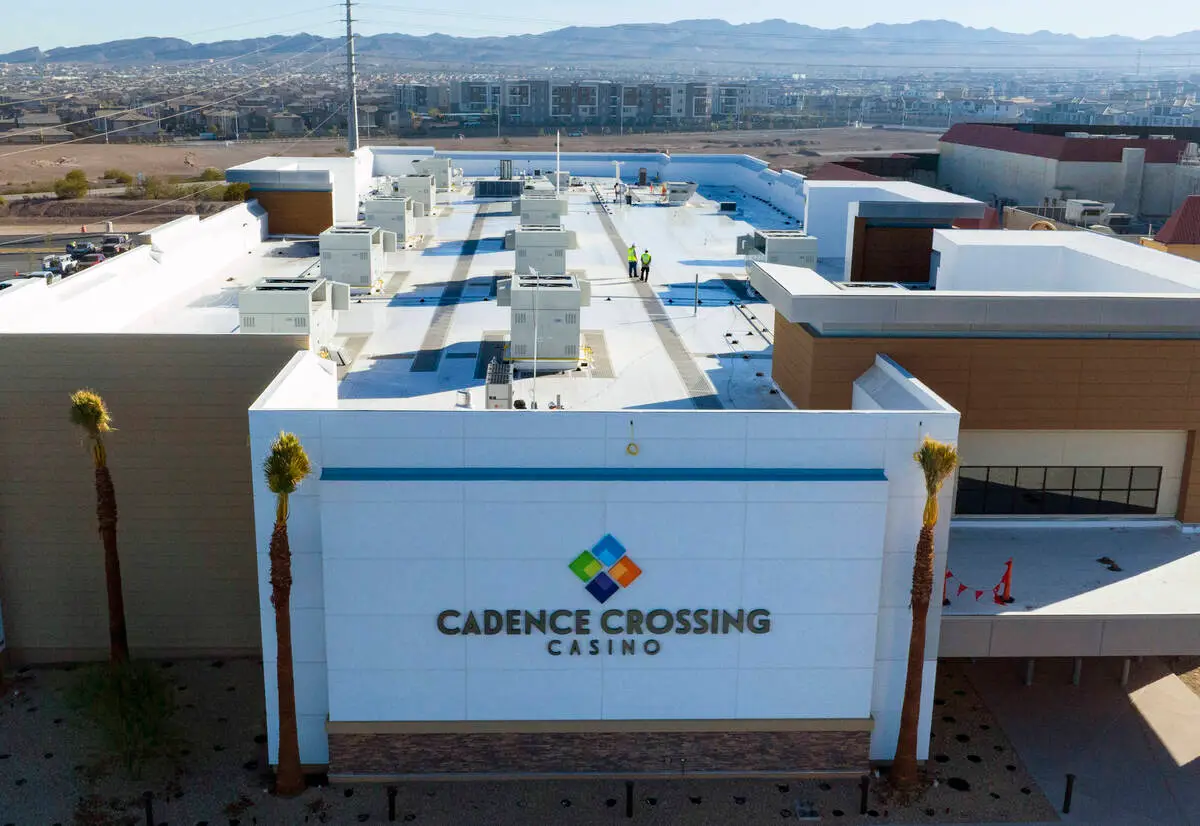
Noise, odor, guest paths, customer access, secure zones, and interior protection are planned around the operation under the roof.